
West Central Oromo Open Contemporary Bible added to ethnē!
West Central Oromo Full Bible Audio and Text translation from Biblica, Inc and Davar Partners International added to ethnē!

Estimated Speakers: 19+ Million
Geographic Distribution: Spoken across the Oromia Region, Harari Region, Dire Dawa, and Addis Ababa, Ethiopia
Learn more: Ethnologue, Joshua Project and Wikipedia
Having a West Central Oromo Bible translation is critically important for reaching one of Africa's largest language communities. West Central Oromo counts over 19 million first-language speakers in Ethiopia alone, making it one of the most widely spoken languages on the continent. The language encompasses several regional varieties, including Mecha/Wollega, Raya, Wello, and Tulema/Shewa. It serves as a language of wider communication and a language of instruction in education, holding institutional status as the de facto language of provincial identity in the Oromia Region.
For churches, missionary organizations, and faith communities throughout this region, providing the Bible in West Central Oromo ensures that the Christian message reaches speakers in their heart language — the language in which they think, pray, and express their deepest beliefs. The Qubee orthography, a Latin-based writing system officially adopted in 1991, now anchors literacy campaigns and the production of educational materials across Oromia, making written and audio Scripture distribution more accessible than ever. Without a quality West Central Oromo Bible translation, millions of speakers would need to rely on Amharic or other languages, creating barriers to spiritual understanding and personal connection to the biblical text.
Show this QR code to a friend so that they can experience this West Central Oromo Bible in ethnē today!

This West Central Oromo Open Contemporary Bible holds unique value as a resource for a language community with deep oral traditions and remarkable internal diversity. Oromo exhibits two tones, glottalized consonants, a well-developed case system, and subject-object-verb word order, giving it a distinct linguistic character that a translation in the heart language preserves and honors. The language serves as both a mother tongue for ethnic Oromo communities and as a lingua franca facilitating communication across different ethnic and linguistic groups throughout the Ethiopian federal system, meaning Scripture in West Central Oromo can reach far beyond the Oromo ethnic community alone. This translation allows for theological discussions, worship, and biblical education to be conducted entirely in West Central Oromo, enabling preachers, teachers, and believers to communicate biblical concepts using culturally resonant idioms and linguistic structures.
Churches across Oromia use West Central Oromo Scripture in worship services, Sunday schools, and personal devotional practices, making prayer, study, and memorization more natural and meaningful. Western Oromo communities in Wollega have a long history of engagement with missionary churches, while northern Oromo communities in the Mecha-Tulama and Shewa areas maintain strong ties to the Ethiopian Orthodox Tewahedo Church, meaning this translation serves a theologically diverse Christian landscape. Indigenous Oromo-speaking pastors and theologians can study and teach Scripture without the linguistic mediation of Amharic or other languages, accelerating the growth of local Christian leadership across the region.
Have a question, or an idea to share? Reach out anytime — we usually reply within a day.
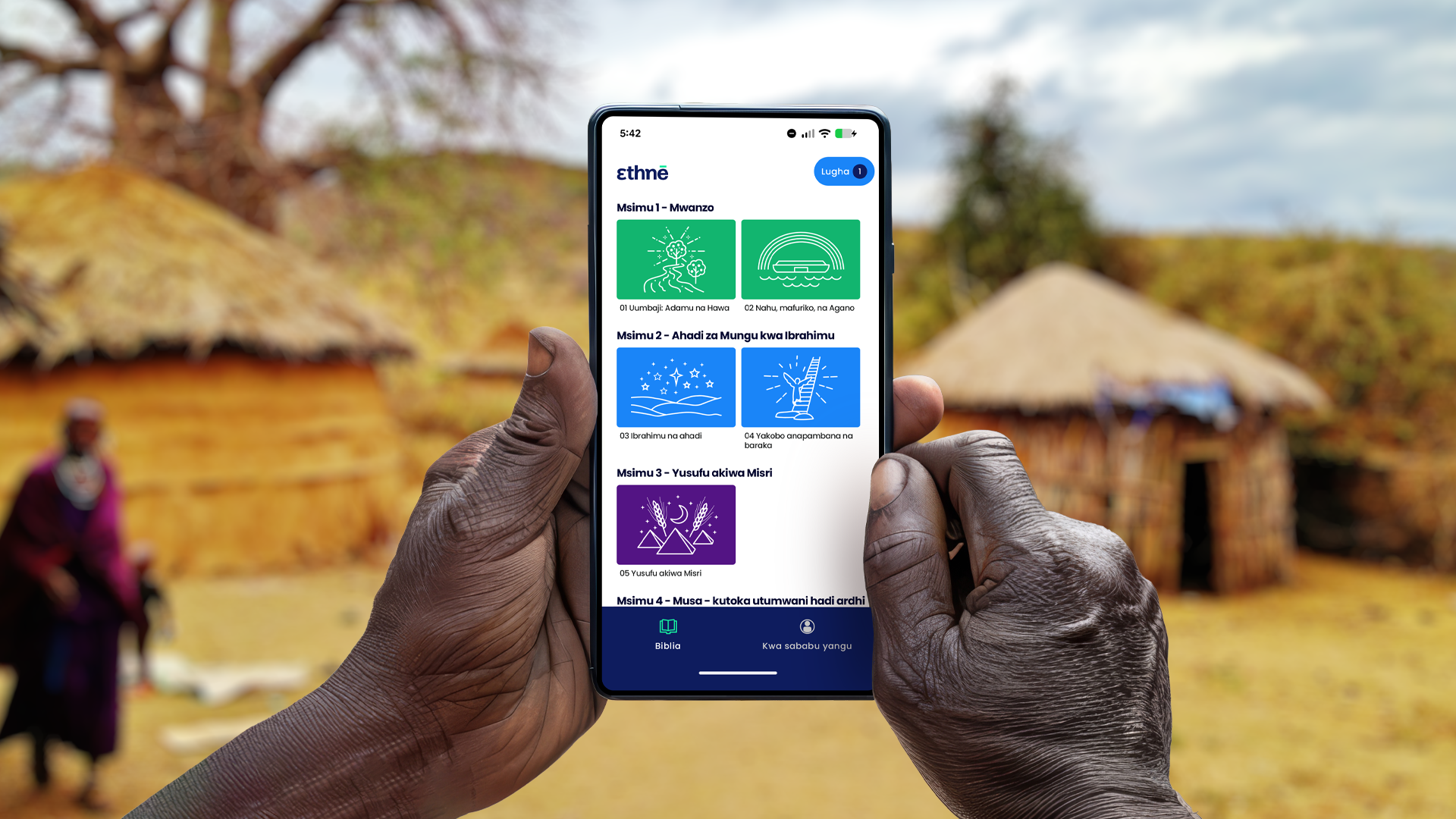
Download ethnē — the Bible app for all peoples.



