
Benga Partial Audio Bible translation added to ethnē!
Benga Bible translation reaches ~1,500–5,400 language speakers in coastal Equatorial Guinea and Gabon with Scripture in their heart language.

Estimated Speakers: ~1,500-5,400
Geographic Distribution: Coastal Equatorial Guinea and northwestern Gabon; Corisco island, Elobey islands, Cap Esterias
Learn more: Ethnologue, Joshua Project and Wikipedia
Having a Benga Bible translation is critically important for reaching the ~1,500–5,400 Benga speakers living along the coasts of northwestern Gabon and Equatorial Guinea. Known as the Ndowe or Playeros ("Beach People"), the Benga inhabit Corisco island, the Elobey islands, Cap Esterias, and coastal areas near the Rio Muni estuary. The Benga people represent one of the few Bantu peoples with an established coastal maritime culture, traditionally working as fishermen, sailors, and merchants.
For churches, missionary organizations, and faith communities throughout coastal Equatorial Guinea and Gabon, providing the Bible in Benga ensures that the Christian message reaches speakers in their heart language—the language of home, emotion, and spiritual intimacy. Although many Benga are bilingual in Spanish (Equatorial Guinea) or French (Gabon), reading Scripture in a national or colonial language erects a barrier to deep comprehension and personal connection with God's Word. Without this translation, Benga believers—particularly older adults and those in rural coastal communities—struggle to engage Scripture in the language that speaks most powerfully to their identity as a maritime people with a unique coastal heritage. Audio formats are especially valuable for oral learners and for preserving the language's oral traditions in a community where formal schooling does not teach Benga.
Show this QR code to a friend so that they can experience this Benga Bible in ethnē today!

Benga belongs to the Niger-Congo family, specifically the Atlantic-Congo, Benue-Congo, Bantoid branch, and is classified as Bantu. The language is closely related to Bube and other Sawabantu languages such as Kombe and Batanga, though mutual intelligibility remains unclear. Benga uses a Latin alphabet devised by American Presbyterian missionaries in the late 19th century (1850s) and developed specifically for Bible translation work. The language includes a dialectal variation called Bapuku. The Benga people's identity is deeply tied to their coastal maritime culture: they are one of 14 Ndowe groups and historically settled Corisco island by 1770, having moved from the interior to the coast for trade with Europeans. Speaker estimates vary widely—Idiata (2007) reports ~1,500 in Gabon and ~3,000 in Equatorial Guinea, while other sources cite up to 5,400 total speakers—but the ethnic population numbers ~8,200.
American Presbyterian missionaries began work among the Benga in 1854, establishing the Corisco Mission, and translation efforts have left a rich legacy: the Gospel of Matthew appeared in 1855, the full New Testament in 1893, and 18 Old Testament books between 1899 and 1902. The last missionary departed in 1943 during World War II, but a small Protestant church continues today alongside a predominantly Roman Catholic community. Most Benga identify as Christian (~90%), though dedicated discipleship remains a challenge. Providing audio Scripture in Benga supports oral and audio learners in worship, discipleship, and evangelism, and strengthens indigenous leadership by equipping local pastors and church planters to teach in the language their congregations know best. Because Benga is not taught in schools, audio Bible resources play a critical role in preserving the language for faith transmission and ensuring that worship and Christian formation remain rooted in the Benga people's heart language and coastal identity.
We'd love to hear from you how we can improve this post or how this translation has been impactful.
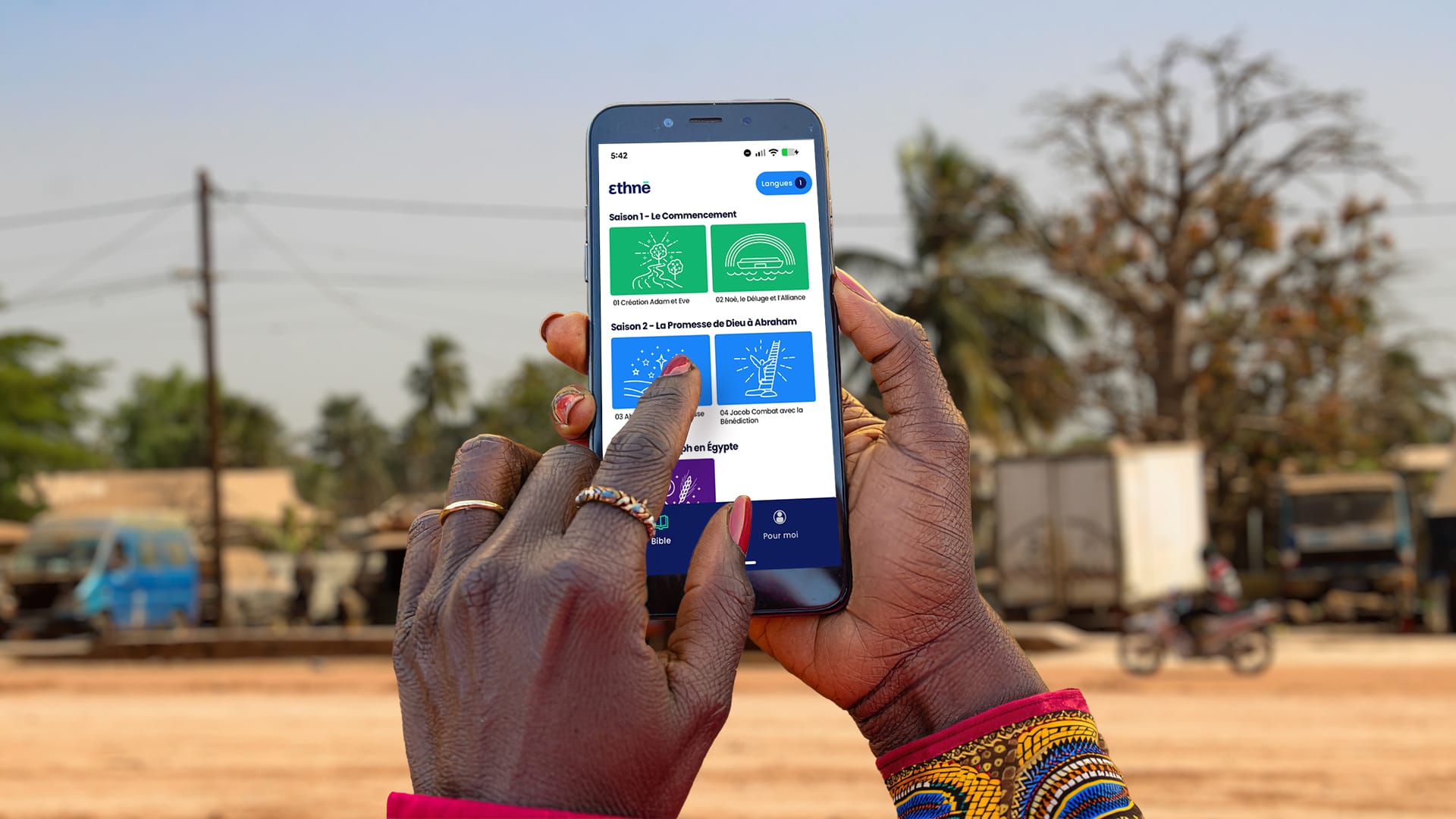
Download ethnē — the Bible app for all peoples.



