
Gbe, Western Xwla Partial Audio Bible translation added to ethnē!
Western Xwla Gbe partial audio Bible reaches 60,000–80,000 speakers in southeastern Benin and Togo with Scripture in their heart language.

Estimated Speakers: 60,000-80,000
Geographic Distribution: Southeastern Benin (Mono, Atlantique, Ouémé Provinces) and southeastern Togo along the coast
Learn more: Ethnologue, Joshua Project and Wikipedia
Having a Western Xwla Gbe Bible translation is critically important for reaching 60,000–80,000 speakers in southeastern Benin and southeastern Togo along the coast. The Xwla people live primarily in Mono, Atlantique, and Ouémé Provinces of Benin and the coastal regions of Togo, where they sustain their language through oral transmission within families and communities. The language is not taught in schools, and literacy materials remain limited, making Western Xwla Gbe a vital marker of ethnic and cultural identity for a community that traces its origins to Tado in Togo and maintains vibrant traditions of music, dance, and storytelling.
For churches, missionary organizations, and faith communities throughout southeastern Benin and Togo, providing the Bible in Western Xwla Gbe ensures that the Christian message reaches speakers in their heart language—the language of home, family, worship, and deepest spiritual understanding. Though bilingualism in French is common and many Xwla speakers have contact with related Gbe languages like Fon, Gun, and Gen, formal languages of education and government do not carry the same emotional resonance or clarity as one's mother tongue. Without Scripture in Western Xwla Gbe, readers face significant barriers: French Bibles remain distant and formal, while Bibles in related Gbe languages—despite lexical similarity—do not fully reflect the unique identity and cultural nuances of the Xwla community. This partial audio translation breaks down those barriers, making God's Word accessible to speakers who learn best through oral and audio formats.
Show this QR code to a friend so that they can experience this Gbe, Western Xwla Bible in ethnē today!

Western Xwla Gbe belongs to the Niger-Congo family, specifically the Atlantic-Congo branch, Volta-Niger subgroup, and the Gbe cluster within the Phla–Pherá group. It is closely related to Fon, Gun, Gen, Aja, and Ewe, forming part of a dialect continuum that stretches from Ghana through Togo and Benin to Nigeria. Western Xwla Gbe and Eastern Xwla Gbe form a dialect chain and are sometimes considered dialects of a single Phla/Xwla language; Western Xwla shows significant lexical similarity with Fon, Gun, and Gen and is closely related to Pherá (Xwela), with which it forms a dialect continuum. The language uses Latin script, standard for Gbe languages in Benin and Togo.
The majority of Western Xwla Gbe speakers follow traditional African religions, including ancestor veneration, spirit rituals, and belief systems involving multiple deities. A small number of Xwla speakers are Christian. This partial audio translation directly serves oral and audio learners, who form the majority of the community, enabling them to engage with Scripture in a format that aligns with the oral traditions and storytelling culture central to Xwla life. Because Western Xwla Gbe is not taught in schools and has no institutional support, audio Scripture becomes especially critical for believers who cannot access written materials in their mother tongue. Indigenous Xwla-speaking church leaders and evangelists now have a tool to disciple new believers, conduct worship, and share the gospel in the language that connects most deeply with the hearts and minds of their people.
We'd love to hear from you how we can improve this post or how this translation has been impactful.
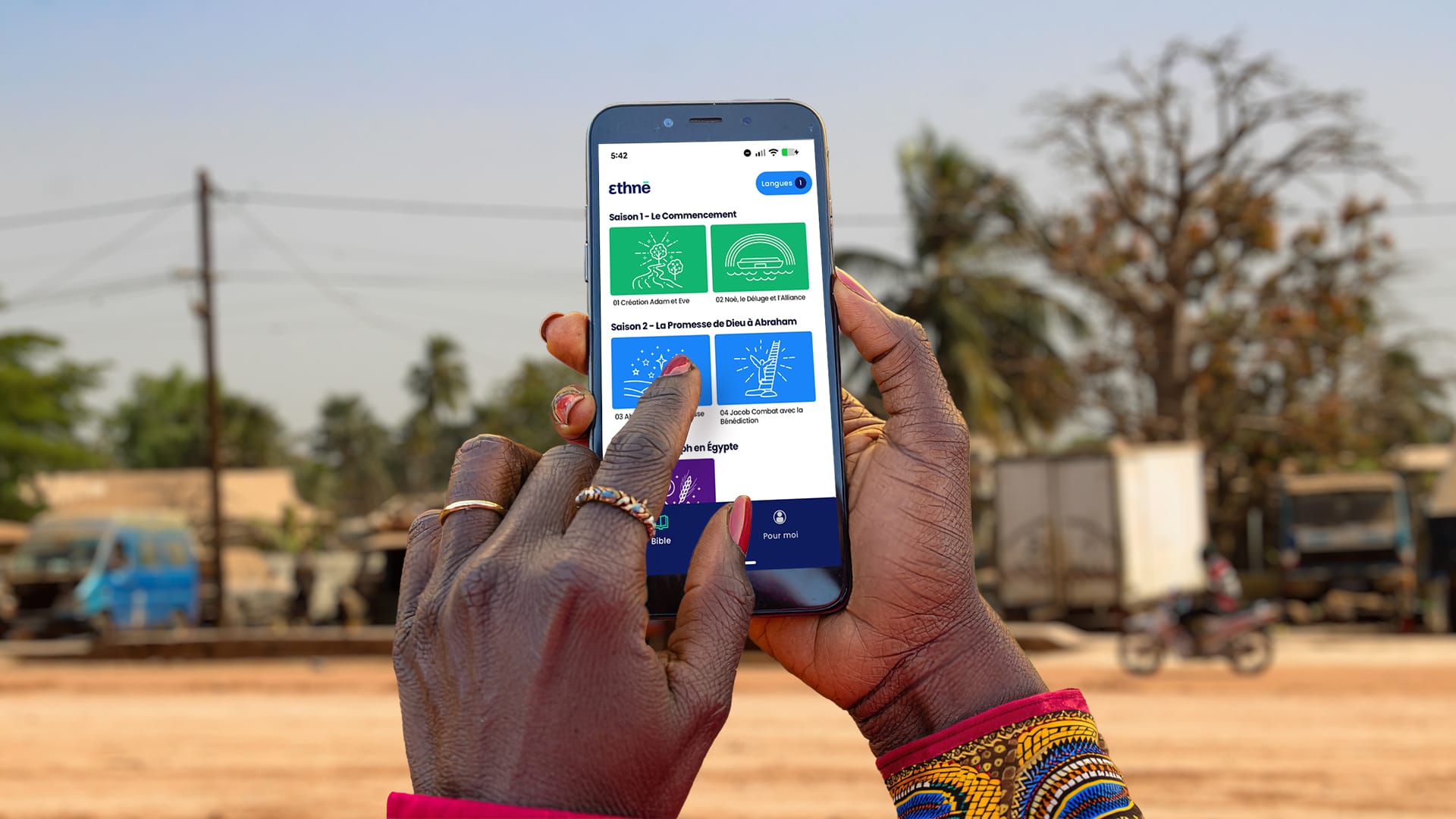
Download ethnē — the Bible app for all peoples.



