Open Hausa Contemporary Bible: Full Bible, Audio Edition For Nigeria & Niger
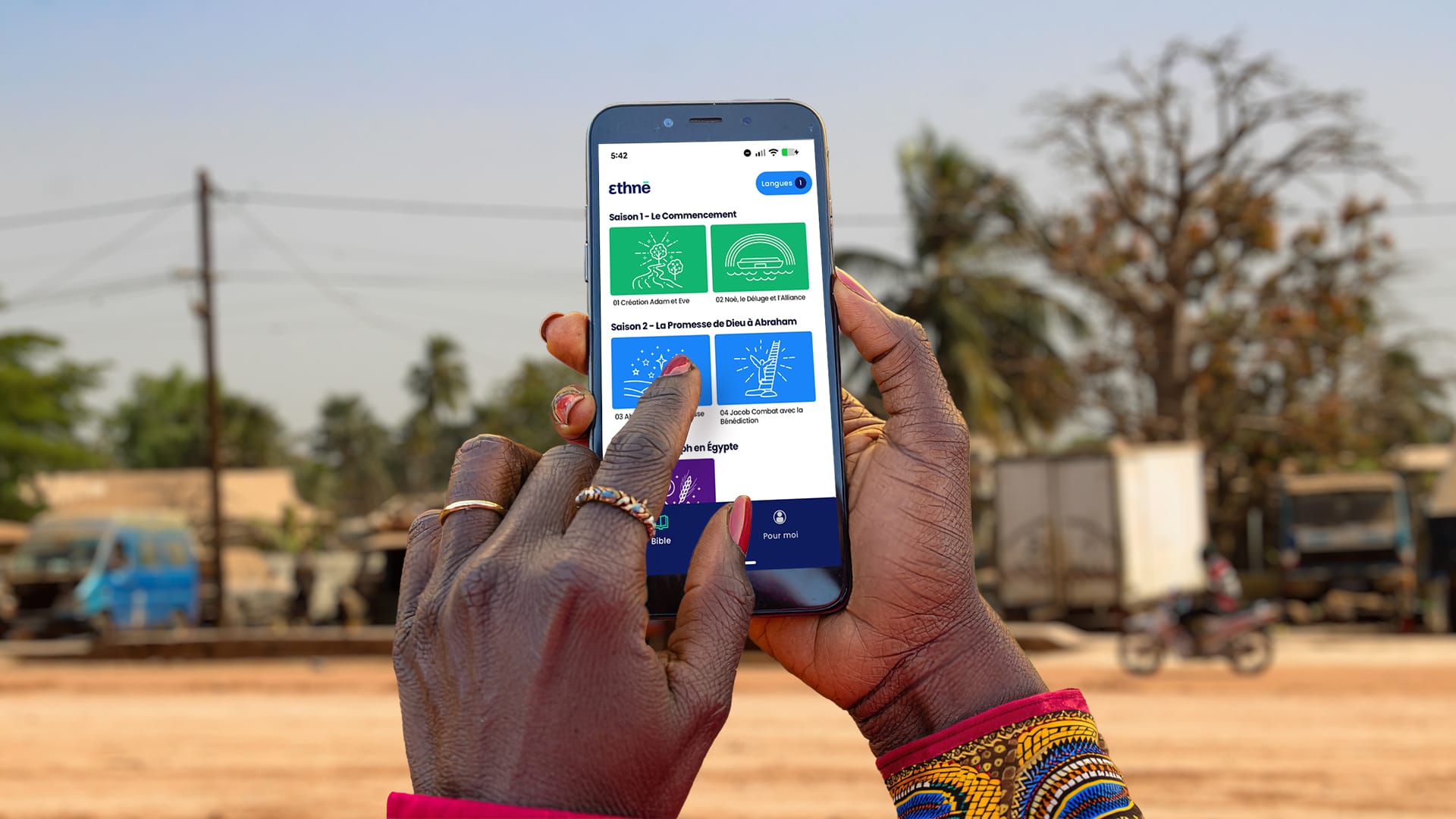
Hausa Audio Bible translation from Biblica, Inc. & Davar Partners International added to ethnē!

Estimated Speakers: 70-80 Million
Geographic Distribution: Spoken across Nigeria and Niger
Learn more: Ethnologue, Joshua Project and Wikipedia
Having a Hausa Bible translation is critically important for reaching millions of West African believers. Hausa is spoken by approximately 70-80 million people across West Africa, making it a major regional language with significant cultural and religious influence. It is primarily used in Niger and Nigeria, where it serves as both a first language for ethnic Hausa communities and as a lingua franca facilitating communication across different ethnic and linguistic groups.
For churches, missionary organizations, and faith communities throughout this region, providing the Bible in Hausa ensures that the Christian message is accessible to speakers in their heart language. A heart language is the language in which they think, pray, and express their deepest beliefs. Without a quality Hausa Bible translation, millions of speakers would struggle to engage directly with Scripture having to rely instead on translations in colonial languages like English or French that create barriers to spiritual understanding and personal connection to the biblical text.
Show this QR code to a friend so that they can experience the Hausa Bible in ethnē today!

It's important to note that this Hausa Bible translation holds unique value as a bridge between traditional Islamic cultural contexts and Christian faith communities within Hausa-speaking regions. It allows for theological discussions, worship, and biblical education to be conducted entirely in Hausa, enabling preachers, teachers, and believers to communicate biblical concepts using culturally relevant idioms, metaphors, and linguistic structures that resonate with Hausa speakers.
Churches use Hausa Scripture translations in worship services, Sunday schools, and personal devotional practices, making Scripture memorization, study, and prayer more natural and meaningful. Additionally, a quality Hausa translation facilitates the growth of indigenous Hausa-speaking Christian leadership, as pastors and theologians can study and teach Scripture without the linguistic mediation of foreign languages.