Dubli New Testament Audio Bible: New Testament Audio For India
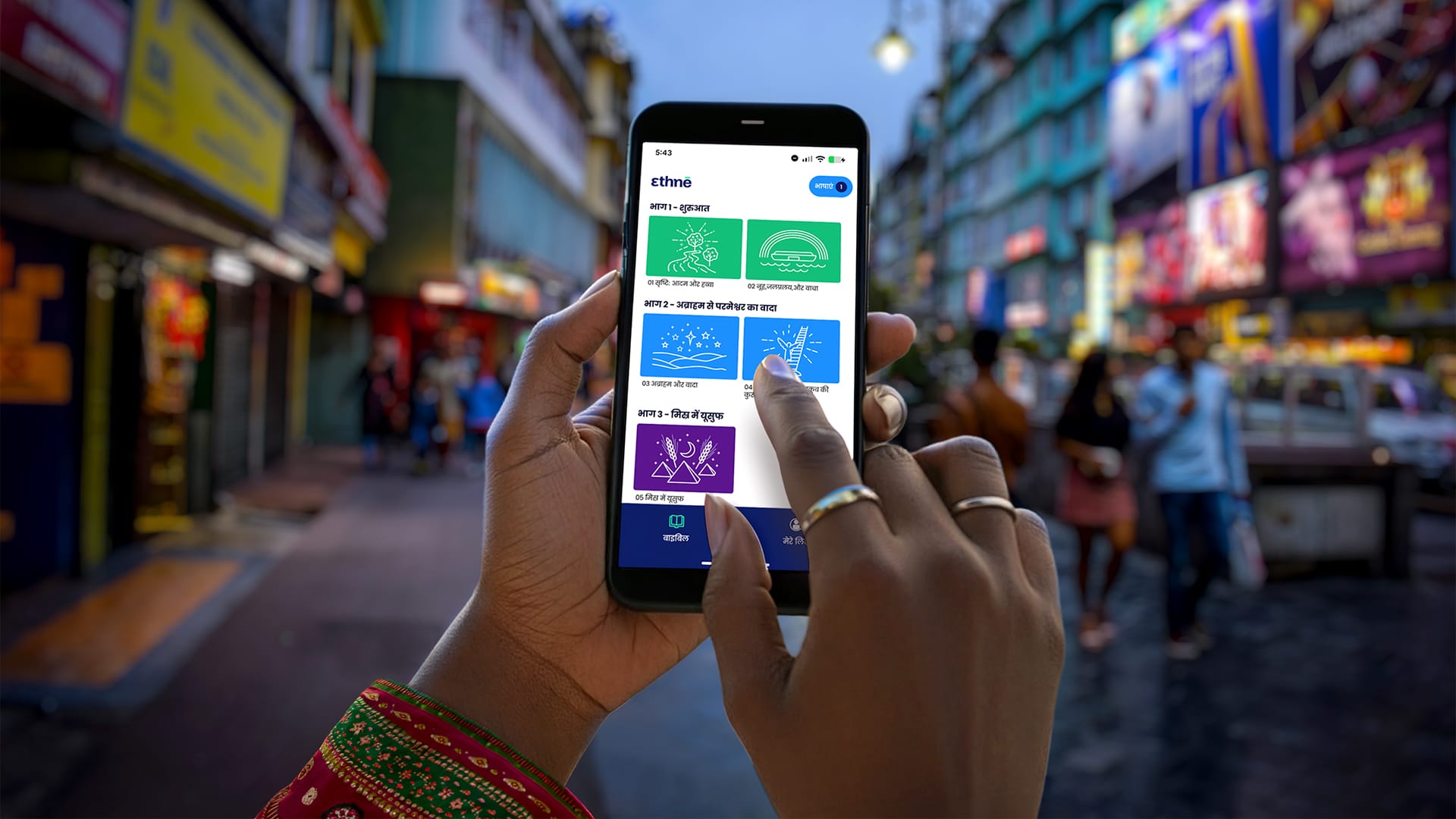
Dubli New Testament Bible Audio translation from Davar Partners International added to ethnē!

Estimated Speakers: 200,000-250,000 speakers
Geographic Distribution: Primarily spoken in coastal western India—Gujarat, Maharashtra, Karnataka, and Rajasthan states
Learn more: Ethnologue, Joshua Project and Wikipedia
Having a Dubli New Testament Audio Bible is critically important for reaching the Dubla tribal communities scattered across western India's coastal regions. Dubli is a Bhil language belonging to the Indo-Aryan linguistic family, spoken by an estimated 200,000-250,000 people primarily from the Dubla ethnic group which is one of the indigenous Scheduled Tribes residing in Gujarat, Maharashtra, Karnataka, and Rajasthan. As an endangered language, Ethnologue notes that approximately half of ethnic Dubla now speak Gujarati instead of their ancestral tongue, with direct evidence suggesting that a decreasing number of young people are using Dubli as their first language, and the language is not known to be taught in schools.
For churches, missionary organizations, and faith communities throughout western India's tribal belt, providing the New Testament in Dubli audio format ensures that Scripture is accessible to speakers in their heart language. The Dubla people, divided into twenty sub-groups, have endured centuries of marginalization. Without quality Dubli Scripture in accessible audio format, speakers would continue to struggle with accessing God's Word in the dominant languages of Gujarati, Marathi, or Hindi which are languages that lack the intimate connection and cultural resonance of Dubli, the language of their ancestors and their tribal identity.
Show this QR code to a friend so that they can experience this Dubli Bible in ethnē today!

It's important to note that the Dubli New Testament Audio Bible holds unique value in supporting language preservation efforts while making Scripture accessible to an endangered linguistic community. Dubli, as a member of the Bhil languages group, shows varying degrees of influence from regional languages such as Gujarati and Marathi but maintains distinct phonological and lexical characteristics that set it apart as a separate language. The Dubla people live in villages located along small rivers near other Bhil tribal villages, primarily in the southeastern regions of Gujarat and neighboring states, maintaining cultural connections to their historical roots despite centuries of displacement and oppression. This translation enables theological discussions, worship, and biblical teaching to be conducted entirely in Dubli, allowing believers to engage with Scripture using the culturally relevant idioms and linguistic structures rooted in their Bhil heritage which are structures that reflect the distinctive identity of a people who claim descent from Rajputs yet have been economically marginalized for generations.
Churches use the Dubli New Testament Audio Bible in worship services, evangelism efforts, discipleship programs, and personal devotional practices throughout the tribal communities of Gujarat, Maharashtra, Karnataka, and Rajasthan. The audio format is particularly valuable for a community where many families spend seven months each year at brickyards near Mumbai as migrant workers, taking entire families with them to work—circumstances that make traditional Bible study difficult and where portable audio Scripture becomes essential. The Dubla benefit greatly from Scripture in audio format that accommodates limited literacy rates and the oral traditions strong among tribal communities. Additionally, this resource empowers indigenous Dubli-speaking Christian leadership, as pastors and lay leaders can teach and share Scripture in the language that carries the deep cultural identity and historical memory of the Dubla people—fostering authentic spiritual growth and transformation in communities that have faced centuries of servitude, oppression, and economic marginalization but now find hope and dignity through the Gospel proclaimed in their own ancestral language.