Adamawa Fulfulde Audio Bible: Full Bible, Audio Edition For Cameroon, Nigeria, Chad, Sudan
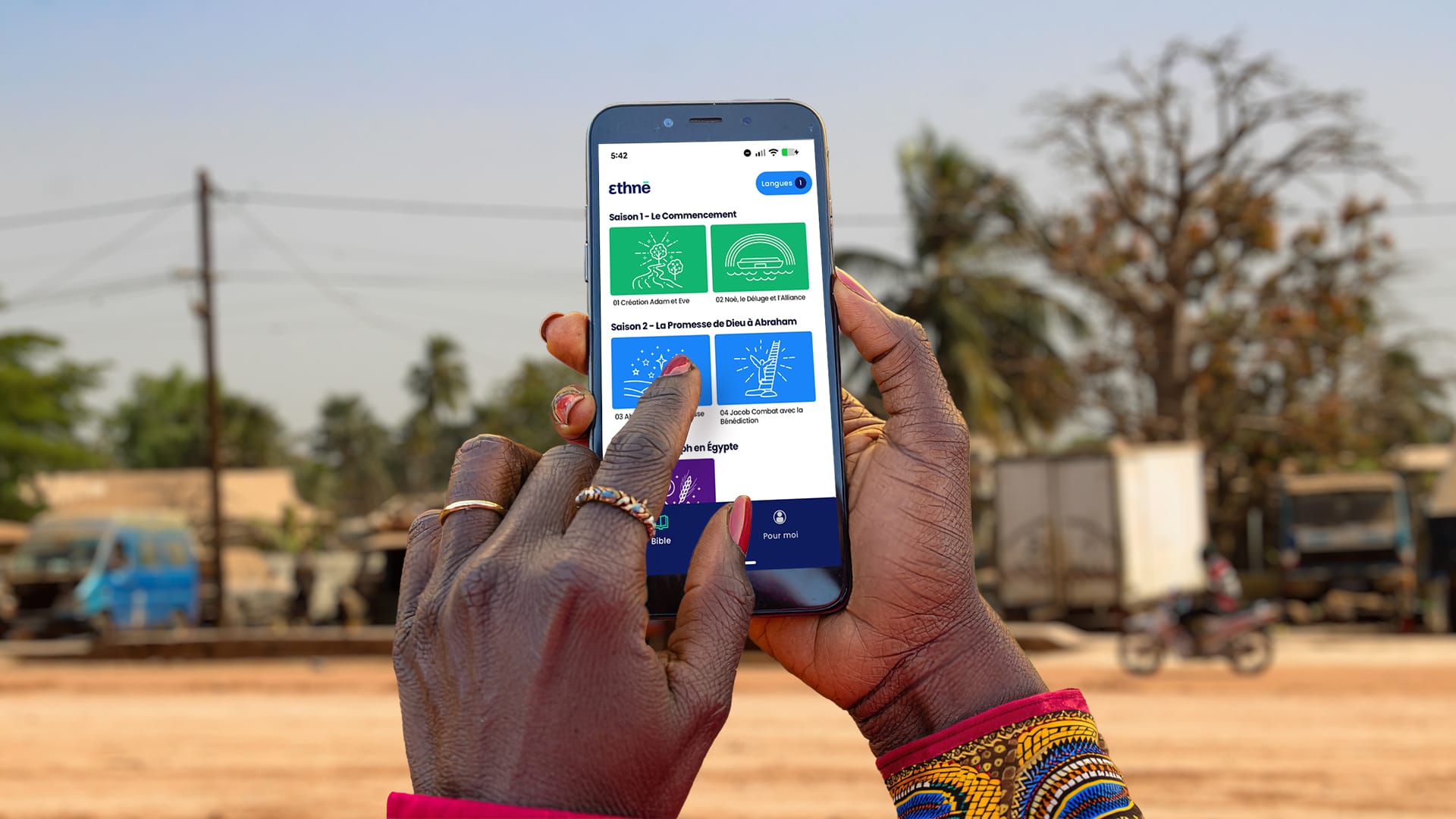
Adamawa Fulfulde Audio Bible translation from Davar Partners International added to ethnē!

Estimated Speakers: 3-5.7 Million
Geographic Distribution: Spoken primarily in Cameroon, Nigeria, Chad, and Sudan
Learn more: Ethnologue, Joshua Project and Wikipedia
Having an Adamawa Fulfulde Bible translation is critically important for reaching millions of believers across Central and West Africa. Adamawa Fulfulde is spoken by approximately 3 to 5.7 million people as a first language, with an additional 2.7 million second-language speakers, making it one of the major languages of the Sahel region. It is primarily used in northern Cameroon, where it serves as a language of wider communication across three regions, as well as in significant communities throughout Nigeria's Adamawa and Taraba states, Chad's Mayo-Kebbi Ouest Region, and Sudan's Blue Nile, Gedaref, and Sennar states. As the largest indigenous language in Cameroon and a lingua franca understood by an estimated 12 million people in the region, Adamawa Fulfulde bridges diverse ethnic communities across the Sahel.
For churches, missionary organizations, and faith communities throughout this vast region, providing the Bible in Adamawa Fulfulde ensures that the Christian message is accessible to speakers in their heart language. A heart language is the language in which they think, pray, and express their deepest beliefs. Without a quality Adamawa Fulfulde Bible translation, millions of speakers would struggle to engage directly with Scripture, having to rely instead on translations in French, English, or Arabic that create barriers to spiritual understanding and personal connection to the biblical text. Since the arrival of Christian missionaries in 1885, Adamawa Fulfulde has been widely used in churches, making this translation essential for continued spiritual growth and worship in the heart language of Fulani communities.
Show this QR code to a friend so that they can experience the Hausa Bible in ethnē today!

This Adamawa Fulfulde Bible translation holds unique value as it serves a language with rich dialectal diversity and multiple script traditions. The language exhibits several major dialects including Maroua, Garoua, Ngaoundéré, Kambariire, Mbororoore, and Bilkire, yet maintains sufficient mutual intelligibility to serve the entire speech community effectively. Adamawa Fulfulde is written in three distinct scripts: the traditional Ajami script (a modified Arabic alphabet with standardized conventions established through decades of scholarly work), the Latin alphabet introduced by European missionaries, and the recently developed Adlam script created specifically for Fula languages. Unusually for a Niger-Congo language, Adamawa Fulfulde is non-tonal, relying instead on a complex noun class system with 24 to 26 classes that mark plurals through initial consonant mutation—a distinctive feature that sets it apart from many neighboring African languages and reflects its Atlantic-Senegambian linguistic heritage.
Churches use Adamawa Fulfulde Scripture translations in worship services, Bible studies, and personal devotional practices, making Scripture memorization, study, and prayer more natural and meaningful for believers throughout the Sahel. The audio format is particularly valuable for this community, as it enables oral learners and pastoralist communities to engage deeply with God's Word through listening—a method that resonates with the strong oral traditions of Fulani culture and accommodates the mobile lifestyle of many Mbororo cattle herders. Additionally, this quality Adamawa Fulfulde translation facilitates the growth of indigenous Fulani-speaking Christian leadership, as pastors and theologians can study and teach Scripture using the language's distinctive grammatical structures, including its subject-object-verb word order and rich noun class system, without the linguistic mediation of colonial languages. With Adamawa Fulfulde's established presence in northern Cameroon's church life and its role as a lingua franca across multiple nations, this audio Bible serves both first-language speakers and the millions who use it for inter-ethnic communication throughout the region.